Gilding Lettering and Cove-lines with Goldleaf
There is nothing like a bit of gilding to set off a classic boat.
Gold Leaf.
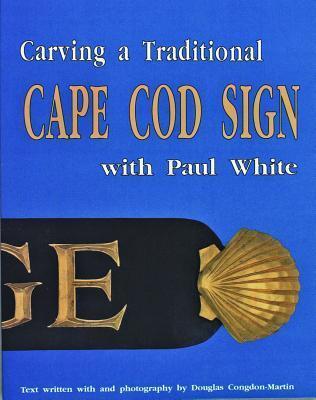
Gold
leaf is normally bought in books.
It is possible to buy it on rolls but for
boat work the books are
handier.
A book normally contains 25 leaves, each leaf an individual sheet
measuring
approximately 3 3/8inch/85mm square.
There are several ways in which the leaf is packaged.
For any outdoor work or where conditions
would make loose leaf
unmanageable
Patent or Transfer leaf
is the
easiest to use.
Patent or Transfer leaf has the gold mounted on to special tissue paper
by a
pressure process.
This allows one leaf at a time to be handled without the need for a
'gilder's
tip'.
The leaf will stay attached to the backing tissue until it is pressed onto the prepared surface, (see the video below).
Gold leaf comes in a wide range of colors
and karats.
And is alloyed with copper and silver to produce a wide variety of
colors.
However the addition of these other metals lowers the karat value of
the gold
leaf and thus it’s resistance to corrosion.
For any outdoor applications particularly for boats you will require a
leaf
that ranges from 96% to 98.5% in purity, 23kt to 23.75kt.
Anything less than 23kt are only recommended for indoor use.
The leaf also comes in a variety of thicknesses.
Leaf thickness is usually measures in grams per 1,000 leaves.
For any outdoor application is 18 to 23 grams per 1,000 leaves is
recommended.
The heavier leaf will last longer and survive the abrasive effects of
wind,
rain, spray, salt and sand.
The amount you are going to need is dependent on the complexity of the
lettering or cove and how careful you are while laying the leaf.
The patent gold leaf books are sensitive to changes in temperature and
humidity.
Too dry and the leaf can separate from the backing paper.
Too hot and it can stick too tightly to the paper.
Store them in a cool damp environment wrapped in a plastic bag.
affiliate linksSize or Gilding Adhesive.
Size is the special adhesive used to glue the leaf to a surface.
For boat and exterior work a traditional, clear, natural, oil based size is recommended.
Size can be bought in spray cans but for small areas such as lettering and cove lines it is better to paint it on.
Once the size is applied it must be allowed to reach it’s proper tack before applying the gold.
This will depend on the thickness, temperature and humidity, however once it has reached the ‘tack’ it will remain usable for several hours.
Water based size is only suitable for interior use.
Preparation
It should go without saying that the finished result will depend on the condition of the underlying surface.
The smoother, firmer and cleaner the surface the better the finish.
You can use masking tape or that bright colored electrical tape when sizing, however it is quite easy to control the size using a small brush.
Before sizing, paint the area to be gilded with yellow ocher.
Then if any of the gold does flake or become scratched it won’t look so noticeable.
Application.

It is most important that the size has reached its proper 'tack' time before you begin.
The time to apply your leaf is when the size is no longer ‘wet’ but has become 'tacky', yet before it dries completely.
Apply size carefully and evenly keeping it on the areas to be gilded only, sizing and gilding a few feet at a time.
When the size is ready, place the sheet, gold side down and then rub the backing paper with your thumb or finger.
Running your thumb or finger through your hair before hand will help the leaf part from the backing, apparently it is something to do with the static.
Finally, burnish to remove any excess leaf and polish the gold surface.
Burnishing is best done with a soft squirrel haired brush but you can use a soft cotton rag or lambs wool.
The video below shows how simple the gilding process actually is.
NATIVE ASYNC

Previous posts
See What Others Have Posted
Gold paint
I'm not sure of the model but I have a customer with a Fairliner wooden boat and it is painted Gold, which is a stock color.
I am looking for that …

Recent Articles


-
Wooden Boat Events 2024
Apr 14, 24 05:15 AM
Wooden Boat Events 2024 calendar, traditional and classic boat festivals and regattas from around the world
You might like these
DIY Woodboat Finish Questions
Woodboat Finish questions and answers to your Wooden Boat painting and varnishing problems in a free, no frills, no need to sign up Forum.
Painting Your Wooden Boat.
Painting a wood boat, advice on how to restore, repair and maintenance paint jobs on hulls and topsides to get a yacht finish.
Boat Paint for Back Yard Boa Bbuilders.
Practical advice on Paint for wooden boats, what to look for and what to avoid
How to remove wood stains
How to remove and clean wood stains from your wooden boat before re-varnishing using wood bleach such as oxalic acid
Non Slip Varnish, for Your Boat
A simple attractive method for making your own clear anti skid varnished areas, such as the cabin sole or hatch cover non slip.


Recent Articles
-
Wooden Boat Events 2024
Apr 14, 24 05:15 AM
Wooden Boat Events 2024 calendar, traditional and classic boat festivals and regattas from around the world -
14’ 1956 Chris Craft, side rail how should it be attached?
Apr 12, 24 03:38 AM
 Removing the old side rail most of the screws went between the top deck/skin 1/4” plywood and the side of the hull. See photo, is this correct? I would
 -
How to laminate plywood on the hull
Apr 10, 24 03:46 AM
I'm working on replacing the bottom of 18' 1969 runabout that has a deep-V plywood hull. It had a 1/2 mahogany plywood bottom that they somehow got to


This work is licensed under a Creative Commons Attribution-ShareAlike 2.0 UK: England & Wales License.
I am perfectly aware that the majority of Wooden Boat aficionados are sensible folk.
However, I need to point out that I am an amateur wooden boat enthusiast simply writing in order to try to help other amateur wooden boat enthusiasts.
And while I take every care to ensure that the information in DIY Wood Boat.com is correct, anyone acting on the information on this website does so at their own risk.